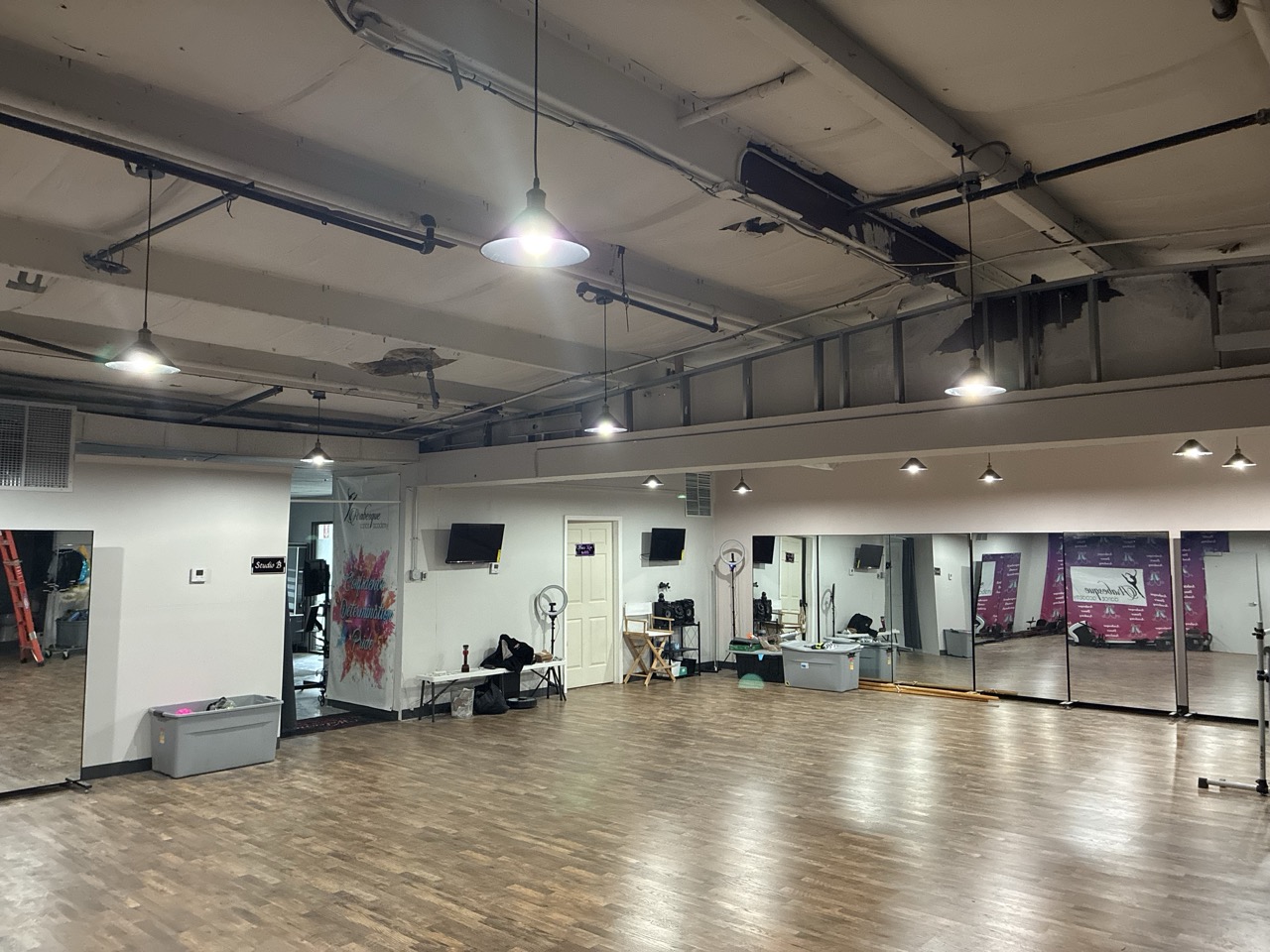
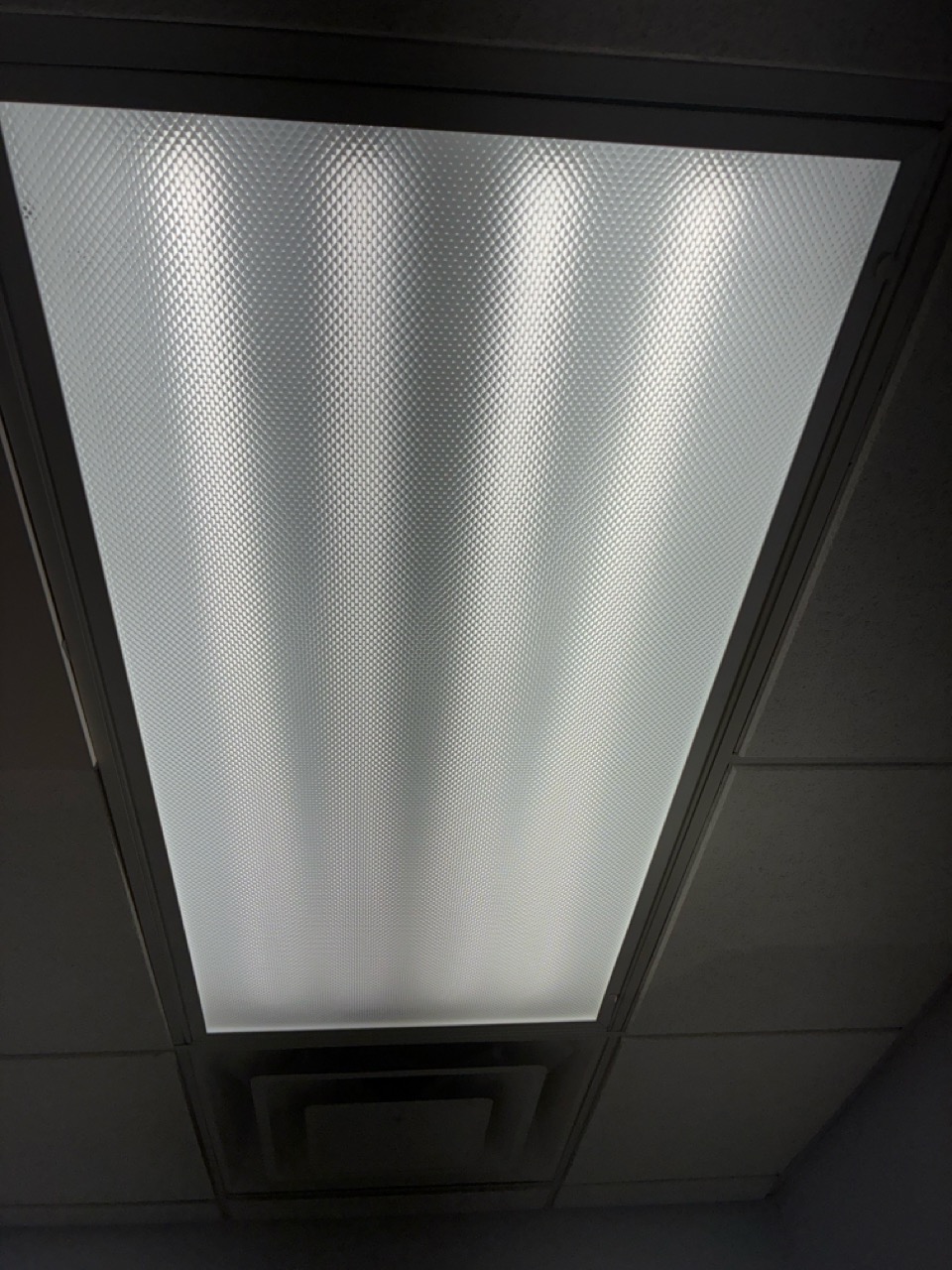
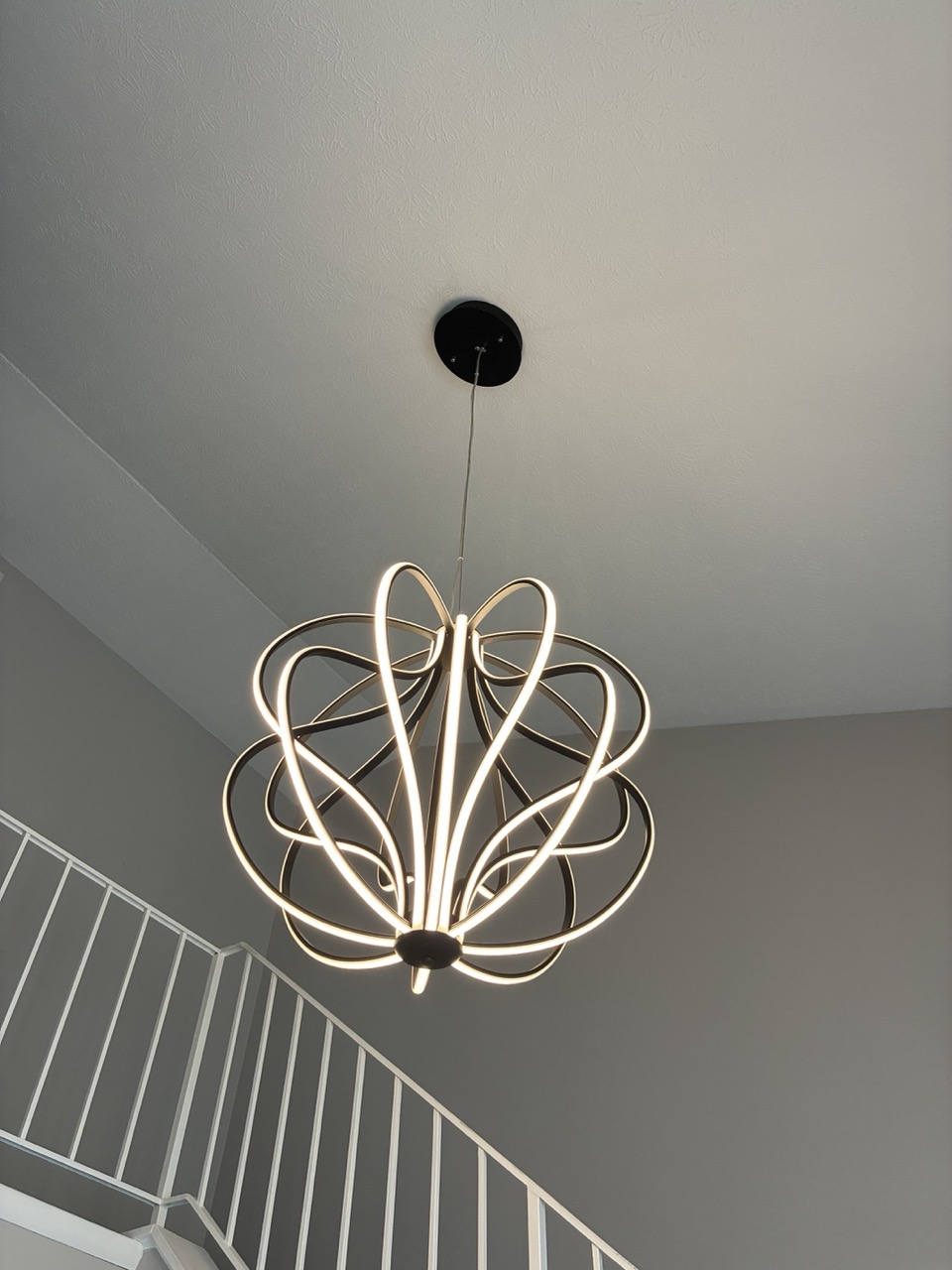
Professional lighting installation and upgrades for residential and commercial properties. From recessed lighting to exterior security lights to LED retrofits.
Lighting Services
- Recessed/can lighting installation
- LED retrofit and conversion
- Under-cabinet kitchen lighting
- Exterior and security lighting
- Landscape lighting
- Commercial fixture installation
- Dimmer switch installation
- Smart lighting setup
- Track lighting and accent lighting
Recessed Lighting - IC vs Non-IC Rated
Recessed lighting is one of our most requested installations. The housing type matters more than most people realize, and getting it wrong is a fire hazard.
- IC-Rated (Insulation Contact) - designed to be installed directly against attic insulation. Required when insulation will touch or cover the fixture. This is the standard for most residential installs in Cincinnati homes, especially in top-floor rooms where attic insulation sits directly above.
- Non-IC Rated - must have at least 3 inches of clearance from insulation on all sides. Used in areas without insulation contact like basements with exposed ceilings or commercial drop ceilings. Installing a non-IC fixture against insulation is a code violation and fire hazard.
- Airtight (AT) rated - prevents conditioned air from escaping into the attic. Most modern IC-rated fixtures are also AT-rated. This matters for energy efficiency, especially in older Cincinnati homes where air sealing is already a challenge.
We install IC/AT-rated fixtures as the default for residential work. If you're replacing older recessed lights, we'll check whether the existing housings are properly rated and replace any that aren't.
LED Color Temperature Guide
LED color temperature is measured in Kelvin (K) and affects how a room looks and feels. Choosing the wrong temperature is one of the most common regrets in lighting projects.
- 2700K (Warm White) - the classic incandescent look. Warm, yellow-toned light. Best for bedrooms, living rooms, dining rooms, and anywhere you want a relaxed feel. This is what most Cincinnati homeowners choose for general living spaces.
- 3000K (Soft White) - slightly brighter and crisper than 2700K but still warm. Works well in kitchens, bathrooms, and hallways. A good middle ground if you want warmth without the heavy yellow tone.
- 3500K (Neutral White) - balanced between warm and cool. Common in commercial spaces, retail, and modern kitchens. Less residential feel but very functional.
- 4000K (Cool White) - bright, clean, and slightly blue-toned. Best for garages, workshops, laundry rooms, and commercial spaces. Too harsh for most bedrooms and living areas.
- 5000K+ (Daylight) - mimics natural daylight. Used in task lighting, workshops, and some commercial applications. Not recommended for residential living spaces.
Our recommendation: pick one temperature for connected spaces. Mixing 2700K in the living room with 4000K in the adjacent kitchen creates a jarring contrast. We'll help you choose the right temperature during the estimate.
Kitchen & Bathroom Lighting Code Requirements
Kitchens and bathrooms have specific electrical code requirements that affect lighting installation.
- Kitchens - require at least two 20-amp small appliance circuits for countertop outlets (these are separate from lighting circuits). Kitchen lighting should be on its own circuit, not shared with countertop receptacles. Under-cabinet lighting is wired separately from overhead fixtures.
- Bathrooms - lighting fixtures within the shower or tub area must be rated for wet locations and connected to a GFCI-protected circuit. Fixtures above sinks and vanities within the damp location zone must be damp-rated at minimum. Exhaust fans with integrated lights count as a fixture and follow the same rules.
- Closets - NEC restricts what types of fixtures can be installed in closets due to fire risk from clothing and storage. Recessed LED fixtures with a lens or surface-mounted LED fixtures are allowed. Open-bulb fixtures and pendant lights are not permitted in closets.
Commercial Lighting Controls
Commercial spaces have different lighting requirements than residential. Energy codes in Ohio require lighting controls for most commercial projects, and the right system can cut lighting energy costs significantly.
- Occupancy/vacancy sensors - automatically turn lights on when someone enters a room and off when it's empty. Required by code in many commercial spaces including restrooms, break rooms, storage areas, and private offices. Vacancy sensors (manual on, auto off) are preferred for spaces where false triggering is a concern.
- Daylight harvesting - photosensors dim or turn off fixtures near windows when natural light is sufficient. Required by Ohio energy code for many commercial spaces with significant window area. Reduces energy use without any occupant effort.
- Dimming systems - 0-10V dimming is the commercial standard. Allows precise control of light levels across zones. Often paired with occupancy sensors and daylight harvesting for fully automated lighting management.
- Scheduled controls - timer-based or programmable systems that reduce lighting during unoccupied hours. Common in retail, office buildings, and warehouses.
Outdoor Lighting - Weatherproofing Ratings
Outdoor lighting needs to handle rain, snow, humidity, and temperature swings. The fixture's rating determines where it can safely be installed.
- Wet-rated - can be exposed directly to rain, snow, and water. Required for any fixture with no overhead cover, like post lights, landscape fixtures, and freestanding security lights.
- Damp-rated - handles humidity and indirect moisture but not direct water contact. Suitable for covered porches, carports, and soffits where the fixture is protected from rain.
- Dry-rated - indoor use only. Installing a dry-rated fixture outdoors, even under a porch roof, is a code violation and safety hazard.
We install outdoor fixtures with proper weatherproof junction boxes, in-use covers on all outdoor outlets, and wiring rated for exterior exposure. All outdoor lighting circuits include GFCI protection per NEC requirements.
Common Questions
Yes. We run new circuits and wiring for lighting installations. The method depends on your home's construction — we assess during the estimate.
Yes. Note that warranty on customer-supplied fixtures is handled by the manufacturer, not our workmanship warranty.
General rule is one light per 4-6 square feet of ceiling space, but it depends on room use, ceiling height, and fixture brightness. We'll recommend the right layout during the estimate.
Yes. LED retrofits reduce energy costs and improve light quality. We can retrofit existing fixtures or replace them entirely depending on what makes sense for your space.
No. Dimmers need to be compatible with the bulb type. LED bulbs require LED-compatible dimmers. We install the right combination to avoid flickering or buzzing.
Pricing depends on the number of fixtures, accessibility, and whether new circuits are needed. Contact us for a project-specific estimate.
Yes. We run new wiring for exterior lighting including porch lights, security lights, landscape fixtures, and motion-activated lighting.
Safety Questions
Frequent burnouts can indicate voltage fluctuations, loose connections, wrong bulb wattage for the fixture, or a failing dimmer. It's worth having an electrician check if it's a recurring issue.
No. Exceeding the fixture's rated wattage can overheat the fixture and wiring, creating a fire hazard. Always match or go below the rated wattage.
Improperly installed recessed lights can overheat if insulation is packed against non-IC-rated housings. Proper installation with IC-rated fixtures eliminates this risk.