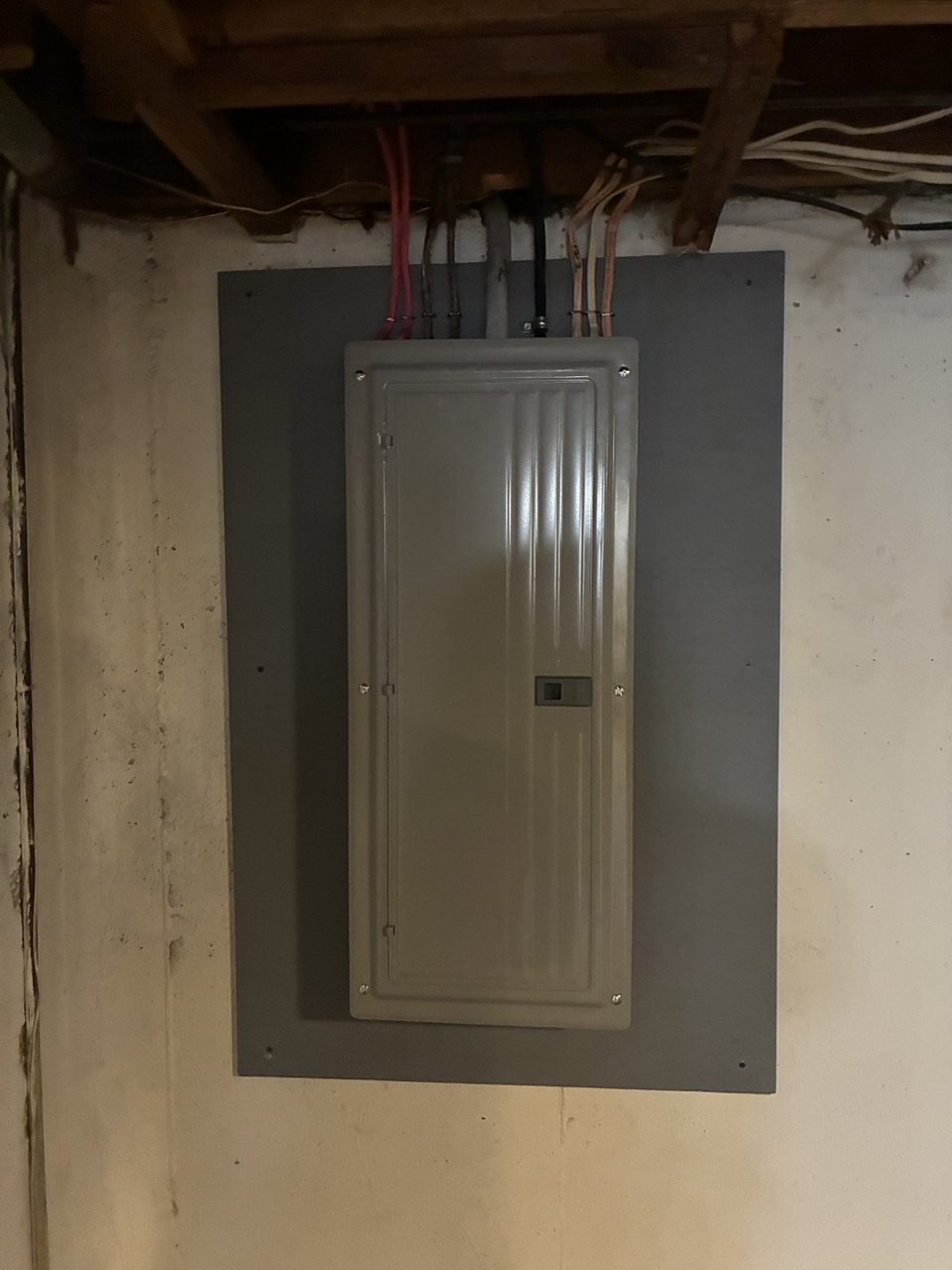
Protect your property with whole-home surge protection and bring your electrical system up to current code.
Services
- Whole-home surge protection device (SPD) installation
- Code violation corrections
- Electrical safety audits
- Inspection preparation
- Grounding system upgrades
- Bonding corrections
Surge Protection Device (SPD) Types
Not all surge protectors are the same. The type you need depends on where it's installed and what it's protecting.
- Type 1 SPD - installed on the line side of the main service disconnect (between the meter and the panel). Protects against external surges from lightning strikes and utility switching before they enter your electrical system. Less common in residential but used in areas with high lightning exposure or for premium protection.
- Type 2 SPD - installed at the main electrical panel on the load side of the service disconnect. This is the standard whole-home surge protector. It catches surges at the panel before they travel through your branch circuits to your devices. This is what we install on most residential and commercial projects.
- Type 3 SPD - point-of-use surge protectors (the plug-in strips and devices at individual outlets). These provide a final layer of protection for sensitive electronics like computers, TVs, and gaming systems. They should supplement a Type 2 SPD, not replace it.
- Type 4 SPD - component-level devices built into equipment by manufacturers. Not something you install separately.
NEC 2023 Surge Protection Requirements
The National Electrical Code now requires surge protection in more situations than ever.
- New service upgrades - NEC 2020 (Article 230.67) made surge protection mandatory for all new dwelling unit services. NEC 2023 continues this requirement. If you're upgrading your panel, a surge protector is now part of the job.
- Replacement panels - when replacing a panel (not just adding a breaker), the new installation must include surge protection per current code.
- Commercial applications - while NEC doesn't universally mandate SPDs for all commercial, many commercial projects include them as standard practice, especially for facilities with sensitive equipment.
- Existing homes - there's no requirement to retrofit surge protection on existing homes that aren't doing panel work. But given the cost (typically a few hundred dollars installed), there's no good reason not to have one.
Layered Protection Strategy
A single surge protector at the panel is good. A layered approach is better. Here's how it works.
- Layer 1: Type 2 SPD at the main panel - this is your primary defense. It intercepts the majority of surge energy before it enters your branch circuits. Handles large surges from lightning, utility grid events, and nearby equipment.
- Layer 2: Type 3 point-of-use protection - quality plug-in surge protectors at sensitive equipment locations (home office, entertainment center, networking equipment). These catch smaller surges and any residual energy that makes it past the panel-level SPD.
- Layer 3: Proper grounding - surge protection only works if your grounding system is solid. The SPD diverts surge energy to ground - if the grounding path is inadequate (corroded ground rod, loose bonding connections, missing ground wires), the energy has nowhere to go. We verify your grounding system as part of every SPD installation.
Together, these layers provide comprehensive protection. The panel SPD handles the heavy lifting, and point-of-use devices provide fine-tuned protection for your most valuable electronics.
What Surge Protection Does and Doesn't Cover
Surge protection is effective, but it has limits. Understanding what it covers helps set realistic expectations.
What It Protects Against
- Voltage spikes from utility grid switching and power restoration after outages
- Surges caused by nearby lightning strikes (not direct strikes - see below)
- Internal surges from large appliances cycling on and off (HVAC, well pumps, refrigerators) - these account for up to 80% of surge events in a typical home
- Voltage fluctuations that degrade electronics over time
What It Doesn't Protect Against
- Direct lightning strikes - no residential surge protector can fully absorb a direct lightning hit. A direct strike carries tens of thousands of amps. SPDs reduce the damage but can't eliminate it entirely. The SPD itself may sacrifice itself in the process (which is by design - it's protecting everything downstream).
- Extended over-voltage or under-voltage conditions - SPDs handle momentary spikes, not sustained voltage problems. Sustained over-voltage (like a utility neutral failure) requires different protection.
- Equipment already damaged - surge protection prevents future damage. It can't reverse damage from surges that already happened.
Even with its limits, a whole-home SPD is one of the best investments you can make for protecting your electrical equipment. The cost of installation is a fraction of replacing a furnace control board, refrigerator compressor, or home office setup.
Common Questions
Installed at your panel, it protects your entire electrical system from voltage spikes caused by lightning, utility switching, and equipment cycling. NEC 2023 now requires SPDs on all new service upgrades.
Missing GFCI protection, open junction boxes, missing cover plates, improper grounding, exposed wiring, overloaded circuits, and missing AFCI protection in living spaces.
Equipment and installation pricing varies based on panel type and configuration. Contact us for an estimate specific to your setup.
A whole-home SPD handles large surges at the panel level. For sensitive electronics (computers, TVs, gaming systems), a quality plug-in surge protector adds a second layer of protection. Both together is ideal.
Yes. This is one of our most common service calls. We review the inspection report, assess the violations, and provide a detailed estimate to bring everything up to code.
We inspect your panel, wiring, outlets, grounding, and major connections. We identify any code violations, safety hazards, or items that need attention and provide a written report.
Safety Questions
Yes. Voltage spikes can damage or destroy electronics, HVAC systems, appliances, and garage door openers. A whole-home SPD prevents this damage.
A licensed electrician can test your grounding system. Signs of poor grounding include tingling when touching appliances, frequently blown fuses, and GFCI outlets that trip randomly.